Description
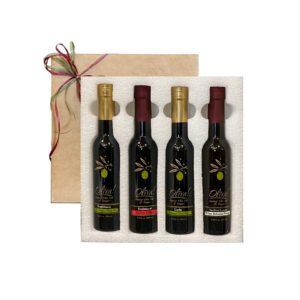
Oliva! Organic Tunisian Chetoui Extra Virgin Olive Oil contains no additives, no chemicals, & no preservatives. All are from the most recent harvest.
Ingredients: 100% Organic Chetoui Olives from Tunisia.

$8.00 – $44.95Price range: $8.00 through $44.95
Our High Phenol Organic Certified Tunisian Chetoui is forever highly requested.
This antioxidant rich EVOO is ideal for all over health purposes with a bisphenol (polyphenol) count of 733.
Extremely intense with a spectacularly aromatic nose. Notes of dandelion greens and sweet berry on the finish.
*What’s the difference between biophenol and polyphenol? ‘Biophenols” is frequently utilized specifically with olive oil chemistry to refer to active antioxidants like oleocanthal, hydroxytyrosol, and oleuropein. “Polyphenols” is a broader, general scientific term for thousands of phenolic compounds found in many plants, fruits, and vegetables.
*Why is this oil certified organic and your other ones are not? This specific Tunisian EVOO is produced by our supplier, who is US-based, providing an easy connection to become USDA Certified Organic. Many small farms outside of the US do not choose to certify due to high costs, rigorous paperwork and inspection efforts required for certification… even if their production methods are 100% natural.
Harvest Date: November 2025
Country of Origin: Tunisia
Intensity: Robust
Fruitiness: 4.8 Bitterness: 4.3 Pungency: 3.8
Chemistry: Biophenols: 733.3 ppm
DAGs: 94.1
Oleic Acid: 65.24
FFA: .21
Peroxide Value: 6.09
Smoke Point: 379°F.
Oliva! Organic Tunisian Chetoui Extra Virgin Olive Oil contains no additives, no chemicals, & no preservatives. All are from the most recent harvest.
Ingredients: 100% Organic Chetoui Olives from Tunisia.
| Weight | N/A |
|---|---|
| Dimensions | 3 × 3 × 12 in |
| Choose a Size | 60ml, 200ml, 375ml, 750ml |
Biophenols (Antioxidant like substances naturally occurring in EVOO) – There are typically more than 20 different biophenols present in an EVOO, Oleocanthal being the most well-known. Phenols extend shelf life and determine the ‘style’ of the oil in terms of bitterness and pungency. Generally, the higher the biophenols, the more ‘pepper’ and ‘bitterness’.
DAGS (Diacylglycerol) – Indicates the age of the olive oil and its projected shelf life. Fresh EVOO from a sound fruit should have a DAGs content of 85% of higher. The higher the score, the fresher the oil and the longer it will last. DAGs will drop 20-30% per year depending on storage conditions and FFA. They are highly influenced by heat, but not light.
FFA (Free Fatty Acid) – Indicates the condition of the fruit at the time of the crush. An oil must range from 0.0 – 0.8 (8%) to be considered Extra Virgin grade, the lower the better. Healthy fruit, processed immediately should produce an oil with a low FFA. In addition: the lower the FFA, the higher the smoke point.
Oleic Acid (Mono-Unsaturated Omega-9 Fat) – The higher the percentage, the better resistance to oxidation. Higher levels help keep it fresher for longer, preventing the formation of per-oxidized (rancid) fats.
PV (Peroxide Value) – Measurement of rancidity by exposure to oxidation, light and heat. The PV must be equal or less than 20 and is responsible for color and aroma changes as the oil oxidizes. A low PV is always desired.